Architecture and transformation
Strategy · modernization · migration
Turn business, application, data, and risk requirements into practical target architectures and sequenced modernization plans.
Cloud delivery, end to end
Global Cloud Technology takes responsibility for the work between cloud ambition and dependable day-to-day service—from architecture and automation through transition, reliability, and managed operations.

Operating responsibility
Transformation, engineering, reliability, and operations carried through as one service lifecycle.
Advisory depth, hands-on engineering, and operational ownership in one team—so recommendations become working systems and working systems stay healthy.
Strategy · modernization · migration
Turn business, application, data, and risk requirements into practical target architectures and sequenced modernization plans.
Foundations · IaC · developer enablement
Build repeatable foundations, delivery pipelines, policy controls, and infrastructure automation that internal teams can use safely.
Security · resilience · recovery
Embed identity, protection, observability, continuity, and recovery into the operating design rather than adding them later.
Operations · FinOps · improvement
Run service health, incident response, capacity, performance, cost, and continuous improvement through one accountable team.
One operating discipline
The operating model connects automation, reliability, security, and service management instead of treating them as separate workstreams.
Standard patterns and automation replace one-off infrastructure work.
Service objectives, telemetry, and recovery practices make resilience operational.
Identity, policy, evidence, and change remain traceable across the environment.
Runbooks, automation, and continuous improvement reduce recurring manual work.
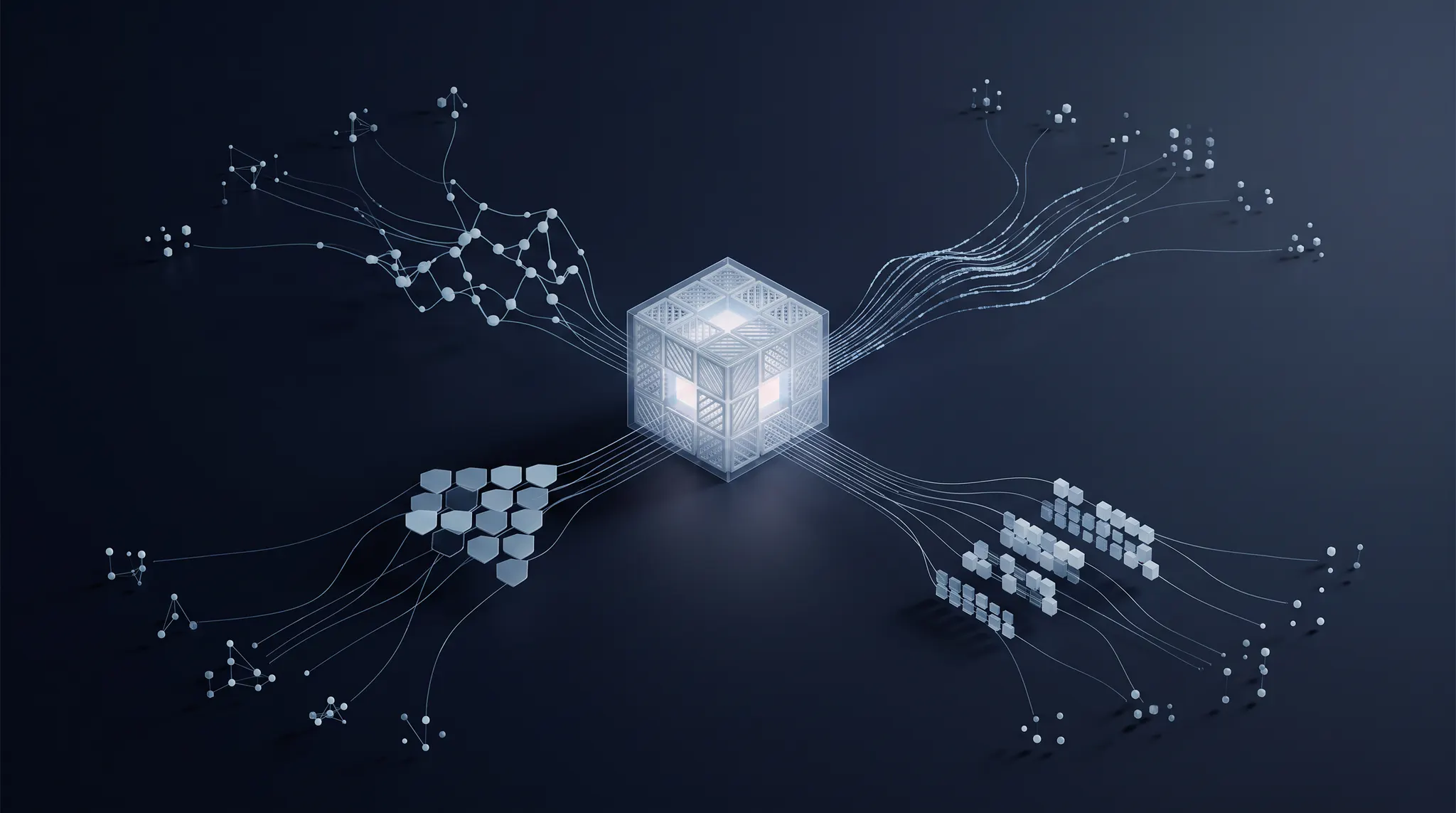
A complete service lifecycle
The same team carries context from discovery through transition and continuous improvement.
Create the baseline, target state, delivery backlog, control requirements, and measurable operating outcomes.
Engineer the foundation, automate delivery, migrate services, validate controls, and transfer knowledge.
Operate against service objectives, resolve incidents, remove recurring toil, and optimize the environment.

What your team can hand off
Landing zones, identity integration, policy baselines, and reusable environment patterns.
Infrastructure as code, deployment pipelines, guardrails, and self-service workflows.
Security operations, backup, recovery, observability, and compliance evidence.
Monitoring, incidents, change, capacity, performance, cost, and reporting.
Make the operating model real
Bring us the target state, inherited complexity, or service problem. We’ll define the work, build the system, and establish the discipline around it.
Discuss requirements